
Why Everyone Is Talking About BDNF
The brain-growth molecule that quietly sits behind learning, mood, memory and healthy aging.

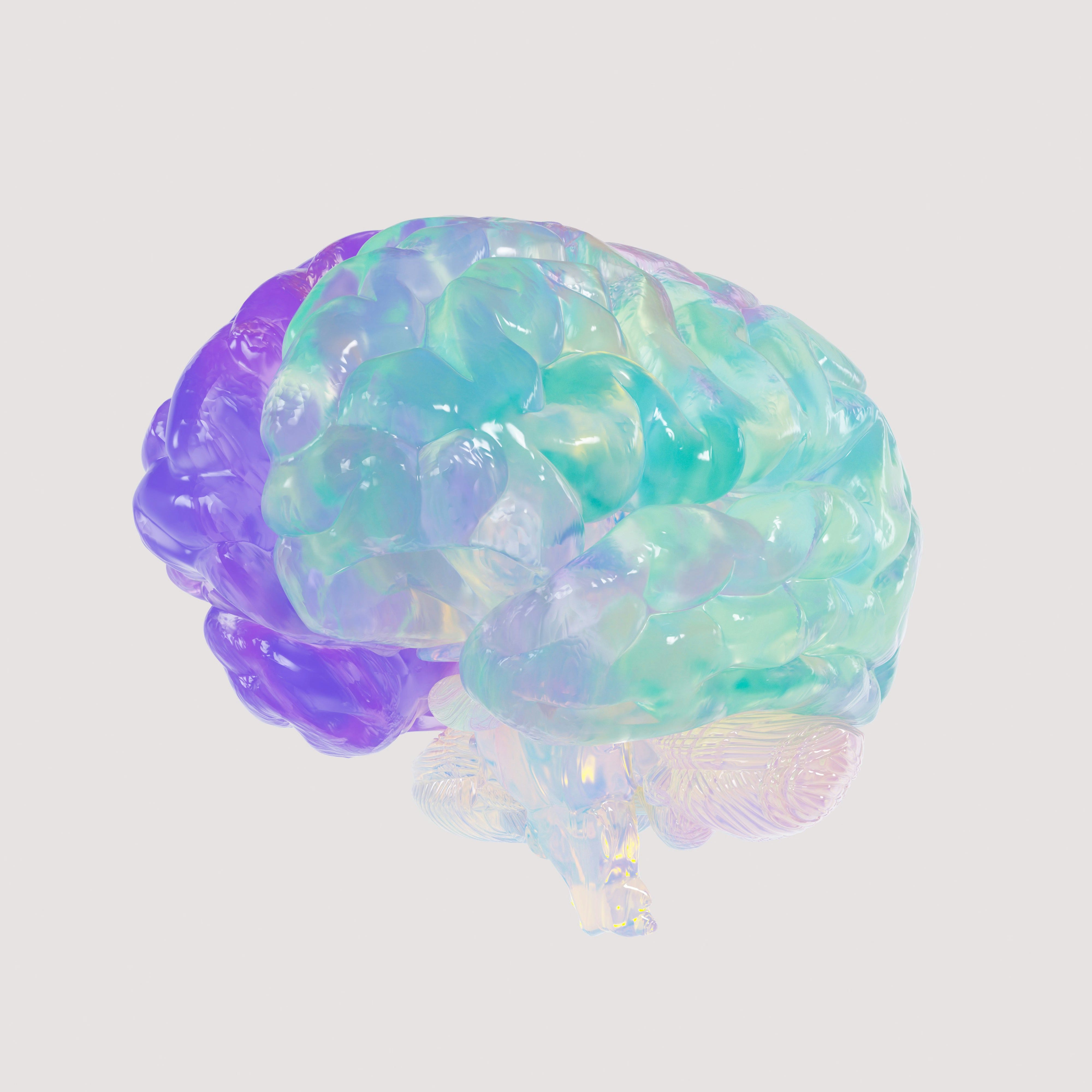
If you spend enough time in longevity circles, you eventually hear someone mention BDNF like it is a magic switch for the brain.
It is not.
But it is important.
BDNF stands for brain-derived neurotrophic factor, a protein that helps neurons survive, grow, connect and adapt. Think of it as part fertilizer, part maintenance crew, part upgrade system for your brain. It helps support neuroplasticitywhich is your brain’s ability to rewire itself in response to learning, stress, recovery and experience. That is why BDNF keeps showing up in conversations around memory, mood, depression, exercise and cognitive aging.
And one of the reasons I find BDNF so compelling is that it sits right at the intersection of what I care most about in longevity: daily choices that make you more capable now and more resilient later.
For years, I thought about health mostly through an endurance lens. Train more. Push harder. Build engine. These days, especially as a parent, I think more about what helps me stay sharp, steady and durable for the long haul. BDNF fits that shift perfectly. It’s not about chasing some futuristic brain hack. It is about understanding how your brain responds to the basics you already know matter.
Why BDNF Matters
BDNF is heavily involved in areas of the brain tied to learning and memory, especially the hippocampus. It also plays a role in synaptic plasticity, meaning how well brain cells communicate and strengthen those connections over time. When researchers talk about the brain’s ability to adapt, recover and lay down new pathways, BDNF is often part of that story.
That has made BDNF relevant across a surprisingly wide range of topics:
Learning and memory
Mood and depression
Exercise and recovery
Sleep quality
Brain aging and dementia risk
In observational research, higher serum BDNF has been associated with lower future dementia and Alzheimer’s risk in some groups, though that doesn’t mean BDNF alone predicts your brain future or that raising a blood level guarantees protection.
That distinction matters.
Because once a biomarker gets popular, the wellness world tends to do what it always does: oversimplify it.
BDNF is not a scoreboard for how “healthy” your brain is on any given Tuesday. Blood levels are tricky to interpret, methods vary and researchers are still working through how well peripheral BDNF reflects what is happening inside the brain itself.
So What Increases BDNF?
This is the good news.
The most reliable ways to support BDNF aren’t exotic. They are the same behaviors that keep showing up across nearly every evidence-based longevity conversation.
1. Exercise Is The Big One
If there is a headline here, it is this:
Movement is one of the strongest known lifestyle levers for BDNF.
Recent reviews and meta-analyses suggest that both acute exercise and regular training can increase circulating BDNF, with structured exercise programs also helping to raise resting levels over time.
This is one reason I keep coming back to exercise as more than a body composition tool. It’s not just about muscle, VO2 max or looking fit. Exercise is one of the clearest ways to send the brain the message that it needs to stay adaptable.
And importantly, the answer is not necessarily “more.”
The data suggest that consistent aerobic exercise, resistance training higher-intensity efforts can all be helpful. The bigger theme is that your brain seems to respond to movement that is regular and challenging enough to require adaptation. For more fascinating intel on the role of exercise in improving levels of BDNF, check out the exceptional work of Dr. Rhonda Patrick.
2. Sleep Matters More Than Most People Realize
If exercise helps build brain resilience, poor sleep chips away at it.
The BDNF-sleep relationship is complex, but reviews consistently suggest that insomnia, poor sleep quality and chronic sleep disruption are associated with lower BDNF or altered BDNF signaling.
That tracks with real life.
Most people know what they feel like after a bad night of sleep: slower, foggier, more emotionally brittle, less creative, less patient. BDNF is one of the biological reasons sleep deprivation may have such a broad effect on cognition and mood.
3. Chronic Stress Appears to Work Against It
Stress isn’t always bad. Training is stress. Parenting is stress. Building something meaningful is stress.
But unrelenting, poorly recovered stress is a different story.
Reviews and human studies suggest that chronic stress is associated with reduced BDNF levels and this may be one pathway linking stress to depression, anxiety and cognitive strain.
This is where longevity gets practical. You don’t need a stress-free life. You need a life where stress is interrupted by recovery.
That means walks. Better sleep. Strength training without redlining every session. Time outside. Real conversations. Moments where your nervous system gets the message that it is safe enough to repair.
Special Thanks to Our Partner
This post is sponsored by Momentous, a company focused on high-quality human performance supplements.
Momentous offers foundational products like protein, creatine and omega-3, which they package as “The Momentous Three.” That foundation-first philosophy is one I generally agree with: supplements should support the basics, not distract from them.
And that is especially relevant here. When people hear something like BDNF, the natural impulse is to ask, “What can I buy?”
Usually, the better question is: What can I do consistently?
Supplements may play a supporting role. The heavy lifting still comes from how you train, sleep, eat and recover.
The biggest misconception about BDNF
The biggest misconception is that BDNF is some niche molecule for neuroscientists.
It’s really a story about adaptation.
Your brain is not static. It responds to inputs. It changes with challenge, movement, recovery and experience. BDNF is one of the mechanisms that helps explain why.
That’s why exercise can improve more than fitness.
That’s why sleep loss can affect more than energy.
That’s also why chronic stress can feel cognitive, not just emotional.
And it’s why the most powerful brain-health strategies usually look suspiciously similar to the most powerful longevity strategies.
They are the same strategies.
The practical takeaway
If you want to support BDNF, you don’t need a complicated protocol. You need a life that regularly tells your brain to adapt.
That usually means:
Moving your body consistently
Pushing your cardiovascular system a few times a week
Protecting sleep
Reducing chronic stress load where possible
Eating in a way that supports brain and metabolic health
Treating supplements as support, not a shortcut
The older I get, the less interested I am in health ideas that sound impressive but don’t change behavior.
BDNF is interesting because it does both. It’s scientifically real and behaviorally relevant.
And it reinforces one of the central ideas of longevity: Your brain is shaped, in part, by what you do every day.
That is good news, because it means you have more influence than you think.
Yours in Health,
Ryan Frankel