
Why Bone Density Should Matter to You Long Before a Fracture
The fracture is often the final event. The real story begins years earlier.

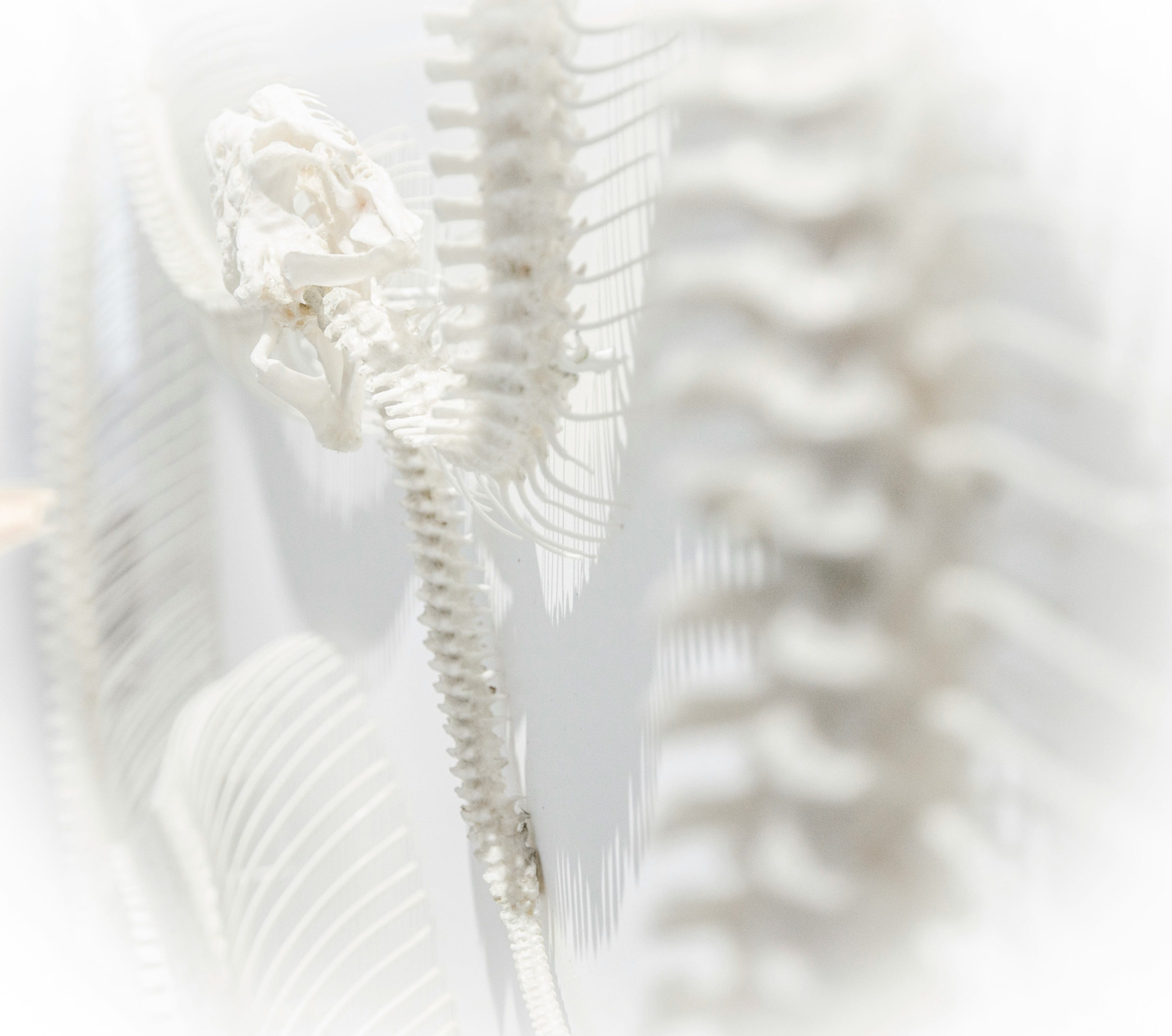
For most of my life, I thought of bone health as something that mattered later.
Much later.
It sounded like a concern for people in their 70s or 80s. Something that entered the conversation after a fall, after a hip fracture, after a doctor used the word “osteoporosis.”
Then I got a DEXA scan.
As part of my work with Cenegenics, I received a much more comprehensive look under the hood. Not just the usual annual physical markers. Not just cholesterol, glucose and blood pressure. But body composition, visceral fat, lean mass and bone density.
That is when I was told I had early signs of osteoporosis.
That sentence got my attention.
Not because anything hurt. Not because I had broken a bone. Not because I had any obvious symptoms.
That is exactly the point.
Bone loss is usually silent until it isn’t.
And by the time it announces itself, the announcement can be life-changing.
Bone Isn’t Static
We tend to think of our skeleton as architecture: beams, columns, structure.
But bone is living tissue. It’s constantly being broken down and rebuilt. In youth, we build more than we lose. By our late 20s and early 30s, most of us have reached peak bone mass. After that, the job shifts from “build” to “preserve.”
The problem is that modern life is almost perfectly designed to weaken bones over time.
We sit more. We lift less. We outsource physical labor. We spend less time in the sun. Many people under-eat protein. Some aggressively lose weight without thinking about muscle and bone. And by the time a standard medical system starts paying close attention, a lot of preventable loss may have already happened.
A DEXA scan measures bone mineral density and compares it to reference populations. A T-score between -1 and -2.5 is typically considered osteopenia, or low bone density; -2.5 or lower is considered osteoporosis.
The key word there is typically. A scan is not destiny. It is information.
But it is information most people do not get early enough.
The Real Risk Is Not “Weak Bones.” It’s Fragility.
Bone density matters because fractures matter.
A fracture isn’t just an inconvenience. It can be a turning point. Hip fractures in particular are associated with loss of independence, hospitalization, long recovery periods and increased mortality risk.
Falls are the most common mechanism behind those injuries. According to the CDC, about 300,000 older adults are hospitalized for hip fractures each year in the United States and in 2019, 83% of hip fracture deaths and 88% of emergency department visits and hospitalizations for hip fractures were caused by falls.
That statistic should change how we think about longevity.
Longevity isn’t just about living longer. It’s about preserving the physical capacity to keep living fully.
And that means bone density is only one part of the equation. The bigger goal is skeletal resilience: strong bones, strong muscles, good balance, fast reaction time, stable gait and enough power to catch yourself when life gets unpredictable.
The fracture often happens in a split second.
The prevention happens years earlier.
Special Thanks to Our Partner: Heavenly Heat
This post is sponsored by Heavenly Heat, my favorite sauna brand for people serious about building a better at-home wellness setup.
What I love about Heavenly Heat is that their 2-Person Red Light Therapy Infrared Sauna combines two of my favorite modalities: infrared heat and red light therapy. For recovery, sleep, stress support and overall wellness, it’s one of the most compelling products I’ve seen.
Right now, Heavenly Heat is running its Summer Sale and with my code LTWORKUP, you can save over $3,500, bringing this premium sauna to under $8,000.
Visit Heavenly Heat to learn more.
How to Measure Bone Health
The gold standard is a DEXA scan. It’s a low-radiation scan that can measure bone mineral density at clinically important sites like the hip and spine. Many DEXA scans also provide useful body composition data, including lean mass and fat mass.
A few things to understand:
T-score compares your bone density to a healthy young adult reference population.
Z-score compares your bone density to what is expected for someone your age and sex.
Site matters. Hip, femoral neck and lumbar spine numbers can differ. A person may look fine in one region and concerning in another.
Trends matter. One scan is a snapshot. Repeating the scan over time, ideally on the same machine or same type of machine, can show whether your plan is working.
Current preventive guidelines commonly recommend routine osteoporosis screening for women beginning at age 65, and earlier screening for some younger women at increased risk. But from a longevity perspective, I think there is a broader conversation worth having, especially if you have risk factors: family history, prior fracture, low body weight, long-term steroid use, low testosterone or estrogen, heavy alcohol intake, smoking history, eating disorders, low vitamin D or major weight loss.
For men, routine screening is less standardized, which is one reason I think proactive testing can be especially valuable when risk factors are present.
You can ask your physician about ordering a DEXA scan. In many cities, you can also go directly to imaging or body-composition providers that offer DEXA scans out of pocket.
The question is not, “Am I old enough to care?”
The question is, “Would this data change what I do?”
For me, it did.
The Best Bone Strategy Is Load
Bones respond to stress.
That doesn’t mean reckless stress. It means appropriate, progressive loading. Your skeleton needs a reason to stay strong.
The most important tools are:
1. Heavy Resistance Training
Lifting weights isn’t just for muscle. It’s one of the core interventions for bone health.
Resistance training places force through the skeleton. Over time, that signal can help maintain or improve bone mineral density, especially when the training is progressive and sufficiently challenging.
The word “heavy” is relative. For one person, it may be a barbell deadlift. For another, it may be goblet squats, step-ups, loaded carries, leg presses or resistance machines.
The principle is the same: your body adapts to the demands placed on it.
A bone-focused training program should usually include some version of:
Squats or leg presses
Hip hinges such as deadlifts or Romanian deadlifts
Lunges or step-ups
Rows and presses
Loaded carries
Core work that improves trunk control
The goal isn’t to become a powerlifter. The goal is to become harder to break.
2. Impact, When Appropriate
Walking is good. But walking alone may not be enough.
Bone tends to respond especially well to higher-force, higher-rate loading: jumping, hopping, bounding, stair climbing and other impact-based movements. Of course, this has to be individualized. If someone already has osteoporosis, joint issues, poor balance or a prior fracture history, impact work should be introduced carefully, ideally with guidance.
For some people, the right starting point is not jumping. It’s learning to land well. Then step-downs. Then small hops. Then more dynamic work.
The dose matters.
So does the progression.
3. Weighted Vests and Rucking
Weighted vests have become popular for a reason: they’re simple.
I’ve been using a weighted vest because it turns an ordinary walk into a more loaded activity. That added load may increase the mechanical stimulus on the bones and muscles, especially when combined with hills, stairs, squats or other movements.
But the research is nuanced.
One long-term study found that a five-year program using weighted vests plus jumping exercise helped maintain hip bone mineral density in older postmenopausal women. Another study found that weighted vest use during weight loss may help attenuate hip bone loss in older adults with obesity, though the authors noted that more research was needed.
The important distinction: a weighted vest isn’t magic. It’s a tool.
A vest worn casually during easy walks may be helpful for general fitness, posture and energy expenditure, but the strongest bone signal likely comes when added load is paired with meaningful mechanical stimulus: resistance training, hills, stairs or carefully programmed impact.
Start light. Think 5% of body weight or less if you are new to it. Make sure the vest fits snugly. Don’t use it to compensate for poor movement mechanics. And if you already have low bone density, back pain, joint issues or cardiovascular concerns, get professional guidance first.
4. Protein, Calcium, Vitamin D and the “Raw Materials” Problem
Training provides the signal.
Nutrition provides the raw materials.
Calcium is a major structural component of bone. Vitamin D helps the body absorb calcium. Protein supports muscle and bone remodeling.
Protein deserves special attention. For years, some people worried that higher protein intake might harm bones. The better reading of the evidence is more nuanced: adequate protein, especially with adequate calcium intake, appears supportive of bone and muscle health. Reviews have found associations between higher protein intake and modestly reduced hip fracture risk, though results vary across studies.
For longevity, I think about nutrition less as “bone food” and more as “tissue support.”
You want enough protein to maintain muscle. Enough calcium and vitamin D to support mineral metabolism. Enough total calories to avoid chronic under-fueling. Enough micronutrients from real food to support the entire remodeling process.
Bones don’t exist in isolation.
They’re part of a system.
Do Not Ignore Balance
The biggest mistake in bone health is focusing only on the scan.
A higher bone density is good. But a person with decent bone density who falls often is still at risk. A person with lower bone density who has excellent strength, balance, coordination and reaction time may be far more resilient than the scan alone suggests.
Fall prevention should begin long before you consider yourself “at risk.”
Balance training can include:
Single-leg stands
Farmer’s carries
Lateral lunges
Step-downs
Agility drills
Training on uneven but safe surfaces
Getting up and down from the floor
The CDC notes that more than one in four older adults falls each year, and falling once doubles the chances of falling again.
That means fall prevention is not a geriatric concern.
It’s a human performance concern.
Can you stand on one leg? Can you recover from a trip? Can you descend stairs without holding the rail? Can you carry groceries while turning your head? Can you get off the floor without using your hands?
These are longevity tests hiding in plain sight.
The Earlier You Know, the More Options You Have
What struck me about my own DEXA experience wasn’t fear.
It was the realization that I could have gone years without knowing.
That is the quiet danger of bone loss. You can feel healthy. You can look fit. You can be active. And still, beneath the surface, your skeletal reserve may be lower than you think.
But the opposite is also true.
Once you know, you can act.
You can lift. You can load. You can improve balance. You can eat enough protein. You can check vitamin D. You can use tools like a weighted vest intelligently. You can work with a physician or longevity-focused provider to understand the broader picture.
The goal is not simply to avoid osteoporosis.
The goal is to be the kind of person who can fall and not fracture. Who can travel, hike, carry, climb, lift and play decades from now. Who has enough muscle and bone to support the life they want to live.
Bone density should matter long before a fracture because the fracture is not the beginning of the story.
It is often the consequence of a story that started silently years earlier.
And the best time to change that story is before anything breaks.
Yours in Health,
Ryan Frankel
The reframe that earns its place here is treating fall prevention as a human performance concern rather than a geriatric one. That’s the right altitude. The fracture is a split-second event sitting on top of years of skeletal reserve and, just as importantly, years of balance and reaction time you either trained or didn’t.
The one I’d add for anyone reading: the weighted vest evidence is genuinely thinner than its popularity suggests. The Kerr-style work showing maintained hip BMD paired the vest with jumping, not casual walking, and the load was meaningful. A vest worn on flat strolls is mostly extra cardio. The bone signal lives in the progression, the impact, and the actual barbell. Vest as adjunct, not as the intervention.
You can stand on one leg, get off the floor without your hands, descend stairs without the rail. Agreed that those are longevity tests hiding in plain sight, and most people would fail at least one today.
love a dexa scan! wrote about this recently too: https://meghanswidler.substack.com/p/the-unfiltered-i-got-my-first-dexa
would love to chat with your point of contact at cenegenics if you can intro me! meghanswidler@gmail.com