
The Longevity Balancing Act: From Biohacking to Being Human
Why the real biohack isn’t another protocol - it’s learning to live fully while you optimize for longevity.

We are living in a golden age of health optimization. Data, diagnostics, wearable technology, and biomarker testing have made it possible to track nearly everything about our biology in real time. This revolution - something I explore deeply here at Longevity Today and at Workup - is thrilling. It gives us agency. It gives us tools. And it gives us hope for not just longer lives, but better ones.
But with that power comes a subtle trap.
I know, because I fell into it.
This post is about the evolution of my own longevity mindset - from naive beginner to obsessive optimizer to something, I hope, far more sustainable and human. It’s a reflection on why avoiding extremes may be the most advanced biohack of all.
Optimization Is a Starting Point - Not the Destination
When I first entered the longevity space, I was fascinated by what was possible. My days were engineered down to the minute. I stacked my protocols: daily cold exposure, sleep window calibration, intermittent fasting, prioritized protein intake and regimented supplements. My workouts were mapped, my meals calculated. Recovery metrics ruled my decisions on how to best train next.
These strategies worked on paper. My biomarkers improved. My sleep, an area where I could stand to improve, got better. My resting heart rate hit athlete territory at 33 beats-per-minute. But something else was happening too.
The more “optimized” I became, the less alive I felt.
Joy was increasingly absent from the process. The spontaneity that makes life vibrant - the unplanned night with friends, the extra evening story time with my son and daughter, the weekend trip that threw off my sleep - became sources of stress. I had inadvertently built a health system that was hard to live inside.
Overcorrection Breeds Imbalance
It’s easy to take a good thing too far. One thing I’ve learned about myself over the years is that I’m prone to put such dedication and effort into initiatives, that it takes over my life. In some ways, this can be good and it enabled me to accomplish goals that I likely wouldn’t have based on innate talent and genetics alone.
Through daily 5:00am training sessions (thank you, Rob Slade) before high school classes, I willed my naturally lean physique into the body of a college-ready baseball player. It helped me become an Ironman triathlon finisher just twelve-months after learning to swim and having never biked or run more than a few miles. It enabled me to graduate from my two dream schools of Haverford College with a BA and Wharton with an MBA. And it powered my professional career - from Goldman Sachs to multiple startups.
There’s an equally powerful downside to obsessing over achieving your goals and longevity for me became about control - control over my biology, my family history of cardiovascular disease, my calendar and even my interactions. Events that interfered with my wind-down routine became a source of stress and I turned my workouts into a competitive audit of my VO2 max.
Eventually, I had to ask myself a hard question: What am I optimizing for?
If the answer wasn’t joy, connection and fulfillment, then I wasn’t actually optimizing - I was avoiding life under the guise of wellness.
From Lifespan to Joy-Span
The breakthrough came when I let go. Not all at once. But gradually, I began making space for pleasure and presence, not just performance.
I redefined my goal: not just lifespan, but joy-span.
Now, I still care about health metrics, but I don’t worship them. I still use wearables, but I don’t let them dictate how I feel. I still prioritize nutrition, but I’ll never again trade the joy of a shared meal for a perfectly portioned macro plan.
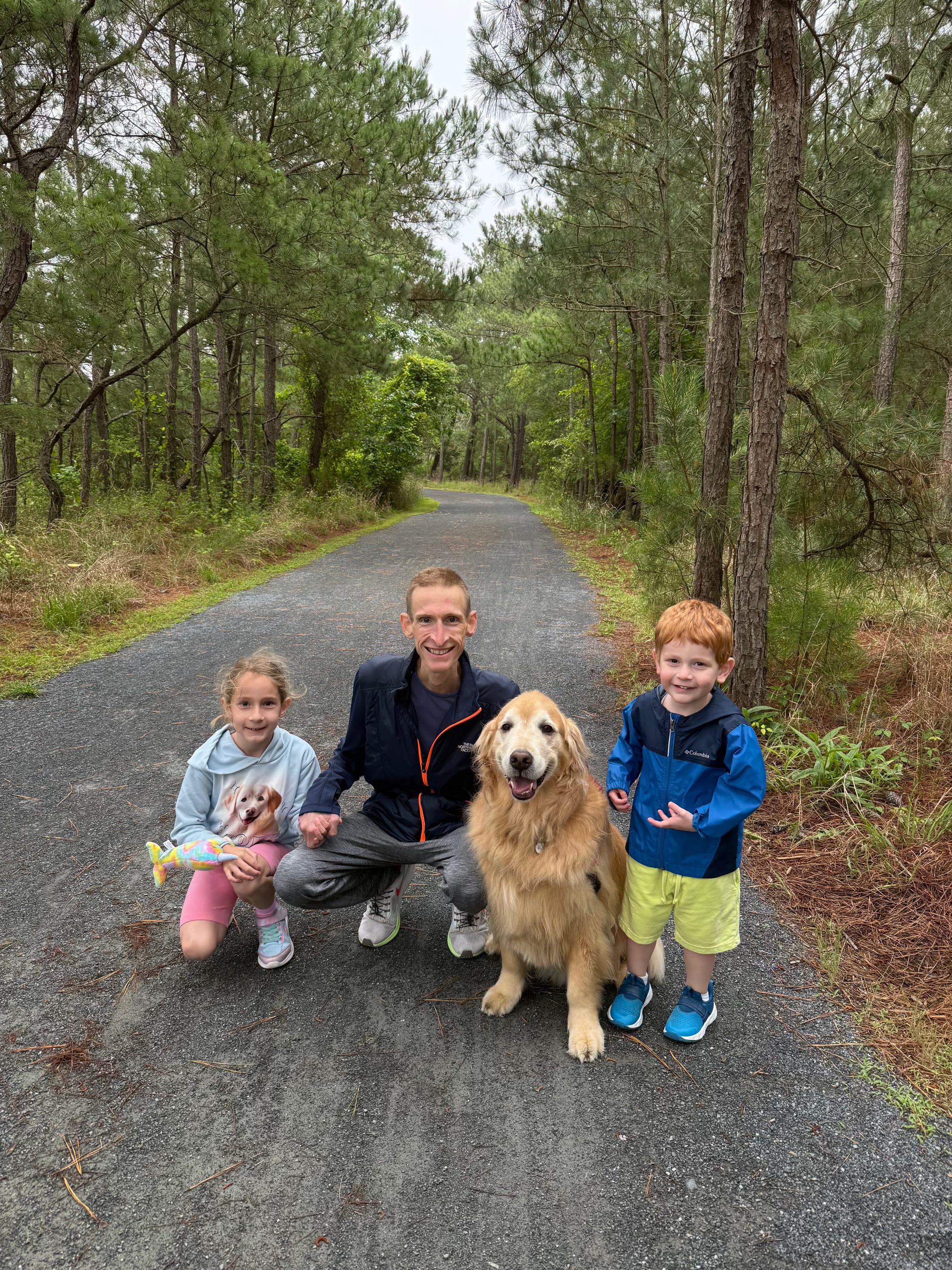
Longevity without joy is just survival. Joy-span integrates both.
The Big Picture
In an age of hyper-personalized protocols and AI-driven wellness tools, it's easy to fall into a perfectionist mindset. But the best longevity plan is one that’s livable, not just logical.
Yes, we should care about nutrition, sleep, movement and diagnostics. But these inputs must serve a greater output: the experience of being fully alive.
If you’re in the midst of building your “health stack,” consider asking yourself:
Am I building a life I love, or just a body I monitor?
Does my health protocol create energy or does it cost me joy?
What would my 85-year-old self want me to prioritize today?
What began as empowerment for me became rigidity. And eventually, exhaustion.
But the shift back to balance - to letting go of extremes and returning to joy - was the real upgrade. That’s the version of health I believe in now. One that values relationships as much as red light therapy. One that says a late bedtime for your partner’s birthday is a healthy decision too.
This is the new conversation we need in wellness - especially in the longevity space.
It’s not about optimizing at all costs. It’s about building a life worth extending.
Have you ever lost the plot in your health journey? I’d love to hear your experience. Respond and let me know what your turning point was, or where you're stuck now.
If you’ve swung too far into optimization, it’s not too late to come back. You don’t need to abandon your protocols, just reframe them. Contact me to discuss further.